Understanding When an Emergency Boiler Service May Be Necessary
A boiler is an important part of many homes, providing heating and hot water throughout the year. Although routine maintenance can help identify developing issues, some problems occur unexpectedly and require more immediate attention. Understanding the difference between a minor inconvenience and a potentially urgent fault can help homeowners and landlords make sensible decisions when something goes wrong.
In Luton, as in other parts of the UK, heating systems can experience additional demand during colder periods. A boiler that has appeared to operate normally may suddenly stop producing heat, display an unfamiliar fault code or begin making unusual noises. These symptoms do not necessarily indicate the same underlying problem, which is why careful assessment is important.
An emergency boiler service may be appropriate when a heating problem cannot reasonably wait for a routine appointment. The urgency can depend on the nature of the fault, the time of year, the occupants of the property and whether there are indications of a potentially unsafe condition. Recognising these circumstances can help property owners respond appropriately rather than attempting uncertain repairs themselves.
Recognising Boiler Problems That Should Not Be Ignored
Boilers contain numerous components that work together to heat water and distribute warmth around a property. Pumps, valves, controls, sensors, ignition components and pressure-related parts can all affect performance. When one part develops a fault, the symptoms can range from a complete shutdown to intermittent heating or unusual operation.
Loss of heating during mild weather may sometimes be inconvenient rather than immediately urgent. During freezing or near-freezing conditions, however, the situation can become more significant, particularly in households with older residents, young children or anyone who may be especially affected by low indoor temperatures. Landlords also need to consider how a heating failure affects tenants and the habitability of the property.
A complete loss of hot water can create additional disruption. While a temporary interruption may sometimes be manageable, a persistent problem deserves investigation. Repeatedly resetting a boiler without understanding why it continues to shut down can conceal an underlying fault rather than resolving it.
Some warning signs are more concerning than others. Unusual smells, visible scorching, persistent leaks or signs of damage around the appliance should not simply be ignored. If there is any suspicion of a gas leak or carbon monoxide issue, occupants should follow appropriate safety guidance and seek qualified assistance rather than trying to investigate the appliance themselves.
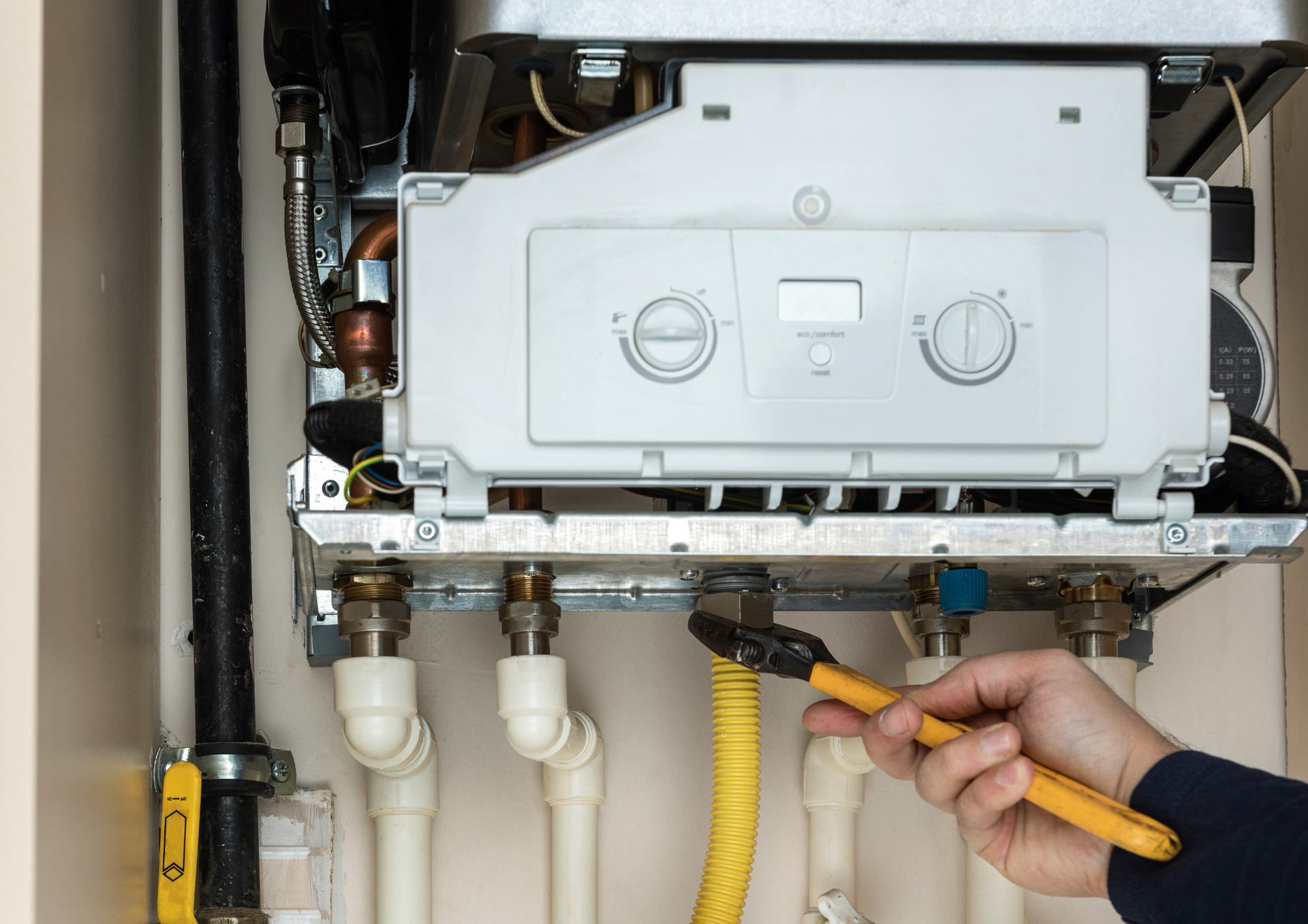
An emergency boiler repair may be required when a fault develops suddenly and prevents the heating system from operating correctly. A qualified professional can assess the symptoms, identify the likely cause and determine whether a component can be repaired or needs replacement.
Changes in boiler pressure can also indicate a problem. Pressure that repeatedly drops after being restored could suggest a leak or another issue within the system. Pressure that rises unexpectedly may also require investigation. The pressure gauge and manufacturer's instructions can provide basic information, but persistent changes should not be treated as normal.
Water around the boiler is another symptom worth taking seriously. Even a small leak can potentially affect surrounding components or nearby surfaces if left unresolved. Rather than repeatedly wiping away the water, it is sensible to identify where it is coming from and arrange an appropriate inspection.
Homeowners and landlords should also pay attention to patterns. A single unusual sound may not always indicate a serious failure, but recurring banging, rattling, whistling or vibrating can suggest that something within the system requires attention. Recording when the problem occurs can provide useful information when speaking with a heating professional.
Situations That May Require More Immediate Attention
Not every boiler problem has the same level of urgency. Understanding the circumstances surrounding the fault can make it easier to decide whether assistance is needed promptly or whether a standard appointment may be suitable.
Situations that deserve particular attention include:
- Complete heating failure during cold weather: A property can lose warmth relatively quickly during winter, particularly when outside temperatures are low. The needs of children, elderly occupants and other vulnerable residents should be considered when deciding how quickly assistance is required.
- Repeated boiler shutdowns: A boiler that continually switches itself off or enters lockout may be responding to an underlying fault. Constantly resetting the appliance without investigating the reason is unlikely to provide a reliable long-term solution.
- Persistent or worsening water leaks: Water escaping from the appliance or nearby pipework can cause additional problems if the source is not identified. The severity and location of the leak can influence the appropriate response.
- Unusual noises combined with poor performance: Banging, grinding or other unfamiliar sounds may be accompanied by reduced heating, inconsistent hot water or repeated shutdowns. This combination can justify professional investigation.
- Visible damage or signs of overheating: Discolouration, scorching or other unusual changes around the appliance should be treated cautiously. The boiler should not be dismantled or internally inspected by an unqualified person.
- Concern about combustion or gas: Any suspected gas-related issue should be treated seriously. Occupants should follow official safety guidance and avoid attempting repairs themselves.
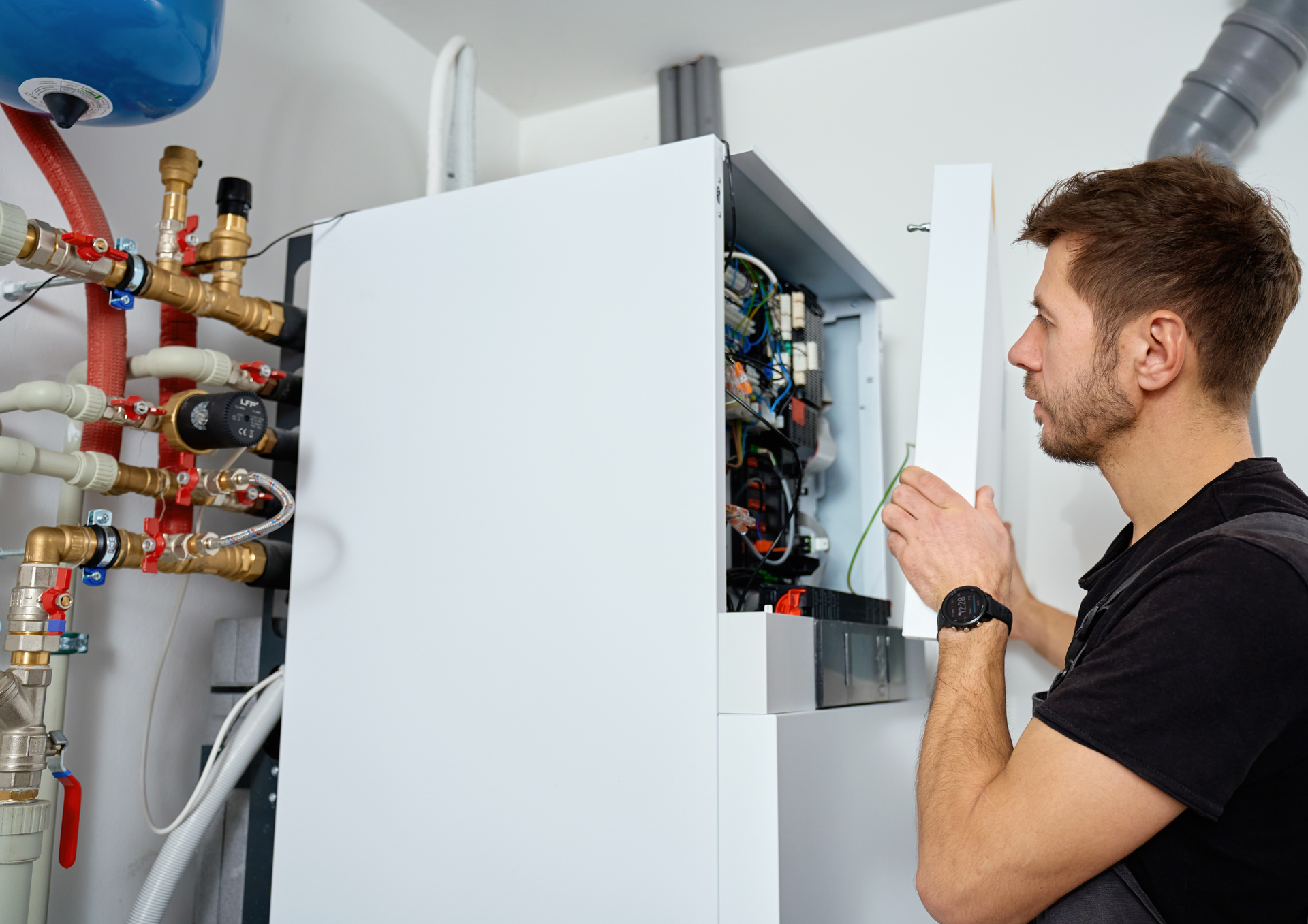
An emergency heating engineer can assess heating-system faults that require professional attention and determine what action is appropriate. This can be particularly valuable when the cause of a breakdown is unclear or when several symptoms appear at the same time.
The age and previous condition of the boiler can also influence the assessment. An older appliance that has experienced recurring problems may require a different approach from a relatively new boiler experiencing its first fault. Previous service records can help a professional understand whether components have already shown signs of deterioration.
Landlords may need to respond particularly carefully when tenants report a heating failure. Obtaining accurate information about the symptoms, when the problem began and whether heating or hot water remains available can help determine the appropriate next step. Clear communication can also prevent occupants from attempting unsuitable adjustments while waiting for professional assistance.
Homeowners should take a similarly measured approach. Checking simple external controls can sometimes identify straightforward causes, such as an incorrectly set thermostat or loss of electrical power. Internal boiler components, however, should be left to appropriately qualified professionals.
What to Do When Your Boiler Suddenly Stops Working
A sudden boiler failure can be frustrating, especially on a cold evening or when hot water is needed. A calm, methodical response can help determine whether there is a simple external explanation while avoiding unnecessary interference with the appliance itself.
Useful initial steps include:
- Check the controls: Confirm that the thermostat, programmer and heating settings are correctly configured. A changed schedule or accidentally lowered thermostat can sometimes appear to be a boiler fault.
- Look at the display: Modern boilers often show a fault or error code when they stop operating. Write the code down rather than repeatedly clearing it, as it may help a professional understand the problem.
- Check the electrical supply: Make sure there has not been a power cut and that relevant controls have not lost electricity. Avoid opening the boiler casing or interfering with electrical components.
- Observe the pressure gauge: If the boiler has a visible gauge, note the reading. The manufacturer's instructions may explain the normal operating range, but persistent pressure problems should be professionally assessed.
- Look for visible leaks: Check the area around the appliance and accessible pipework without removing panels. Water on the floor, wall or nearby fittings can provide useful information about the fault.
- Avoid repeated resets: One reset may sometimes be recommended by the manufacturer's instructions, but repeatedly restarting a boiler that continues to shut down can delay identification of the underlying problem.
People searching for an emergency boiler service near me should consider more than simply how quickly someone can arrive. Appropriate qualifications, clear communication about the problem and an explanation of the proposed work are important when arranging assistance for a heating fault.
Before making contact, it can help to gather basic information. Note the boiler make and model if easily visible, any displayed fault code, whether the heating and hot water are both affected, when the problem started and whether unusual noises or leaks have been noticed. Providing these details can make the initial conversation more useful.
It is also sensible to explain who occupies the property. A household containing elderly residents, babies or other people who may be particularly affected by a loss of heating may require a different level of urgency during cold conditions.
Avoid dismantling the appliance while waiting for assistance. Boiler casings and internal components should only be accessed where appropriate by someone with the necessary competence and qualifications. Attempting to diagnose an internal fault without suitable knowledge can introduce additional risks and make the original problem harder to assess.
Understanding What Happens During an Urgent Boiler Visit
The purpose of an urgent visit is not simply to make the boiler start again. A proper assessment should aim to understand why the appliance stopped operating and whether it can be returned to normal use appropriately.
The engineer may begin by asking what happened before the fault appeared. Details such as unusual noises, changing pressure, intermittent heating or previous shutdowns can help narrow down possible causes. The boiler controls and displayed fault information may then be checked before further investigation takes place.
The condition of relevant components may also be considered. Depending on the symptoms, this could involve controls, sensors, valves, pumps, ignition-related parts or other elements of the heating system. The exact approach will vary according to the boiler type and the nature of the fault.
Where a repair is possible, the required work should be explained clearly. Some faults can be resolved during the initial visit when the necessary component is available and the problem can be safely addressed. Other situations may require a particular replacement part or additional work before the system can return to normal operation.
A same day boiler repair can be useful when circumstances and parts availability allow the problem to be diagnosed and addressed during the initial response. However, the priority should remain accurate diagnosis and appropriate workmanship rather than rushing a repair simply to meet a particular timescale.
Property owners can benefit from asking what caused the problem and whether any further maintenance should be considered. Understanding the underlying reason for a breakdown can help distinguish an isolated component failure from a wider issue that may require monitoring.
Once the immediate problem has been addressed, it may also be worth reviewing the general condition of the heating system. Boiler pressure, radiator performance, controls and previous maintenance history can provide useful context. An urgent repair deals with the immediate concern, while sensible ongoing maintenance can help identify developing issues before they cause further disruption.
For landlords, keeping clear records of maintenance and repair visits can make future decisions easier. If the same problem repeatedly returns, previous information can help an engineer identify patterns and determine whether further investigation is appropriate.
Homeowners can adopt the same approach. Keeping service documentation, repair details and information about replacement components creates a useful history of the appliance. This can be particularly helpful as a boiler becomes older and decisions about continued repairs or eventual replacement need to be considered.
Boiler problems can range from relatively minor interruptions to faults that deserve prompt professional attention. Recognising the difference can help homeowners and landlords respond appropriately without unnecessarily interfering with the appliance.
Loss of heating in cold weather, recurring shutdowns, leaks, unusual noises and visible signs of damage are all reasons to investigate what is happening. The circumstances of the household also matter, particularly when vulnerable occupants could be affected by prolonged loss of warmth.
An emergency boiler service can provide an appropriate route when a fault is sufficiently urgent that waiting for a routine appointment is not practical. The aim should be to establish the cause of the problem, understand the condition of the appliance and determine the appropriate next action.
Regular maintenance and attention to changes in boiler performance can also reduce uncertainty. Knowing how the system normally behaves makes it easier to recognise when something has changed and when professional advice may be necessary.
Boiler Service Luton provides practical information for homeowners and landlords who want to understand boiler maintenance, heating faults and the circumstances that can require urgent attention. Our website focuses on clear, useful guidance rather than unnecessary technical language, helping readers make more informed decisions about their heating systems.
We aim to explain common warning signs, sensible maintenance considerations and the questions worth asking when arranging professional assistance. When an emergency boiler service may be necessary, having straightforward information available can make it easier to recognise potential problems and understand the appropriate next steps when heating or hot water issues develop.
Our content is designed to support readers in Luton while remaining relevant to property owners elsewhere. Whether you are dealing with an unexpected breakdown or simply want to understand your heating system better, our website provides accessible information to help you approach boiler care with greater confidence.
Check out our latest X update explaining when an
emergency boiler service may be necessary and the warning signs you should not ignore.
Boiler Service Luton
01582 377 812
11 Peel Place, Luton
LU1 2QH
United Kingdom
You might also like